Outlets & Dedicated Circuit Installation in Fresno, CA
Connecting property owners in Fresno and Fresno County with independent, qualified electrical contractors specializing in outlets & circuits.
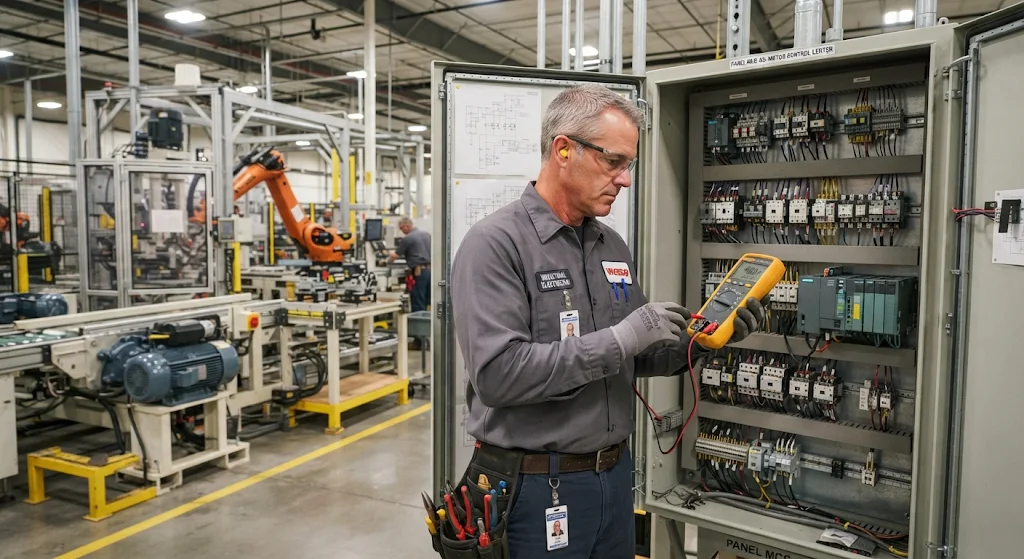
Understanding Outlets & Dedicated Circuit Installation in Fresno
Dedicated Branch Circuits & Safety Receptacle Installation
Modern residential living relies heavily on high-powered appliances, delicate consumer electronics, and smart home hardware. Plugging high-draw appliances into general-use lighting circuits frequently results in nuisance breaker tripping, voltage sags, and overheated wiring connections.
Installing dedicated circuits ensures that major equipment-such as refrigerators, microwave ovens, induction ranges, electric dryers, EV chargers, and workshop tools-operates on an isolated home run direct from the main panel. Independent contractors install tamper-resistant outlets, smart USB charging receptacles, heavy-duty 240-volt NEMA outlets, and essential life-safety GFCI/AFCI protection.
Proper circuit installation requires careful selection of conductor gauge and overcurrent protective devices. A standard 15-amp branch circuit uses 14 AWG copper, whereas heavy 20-amp small appliance circuits mandate 12 AWG copper, and 240V equipment like electric ovens and heat pumps require 10 AWG to 6 AWG conductors. Independent electricians ensure voltage drop remains under 3% across extended wiring runs, preserving motor efficiency and preventing appliance overheating.
Safety compliance is paramount throughout the installation. Receptacles located within six feet of water sources, in garages, outdoor patios, and crawlspaces receive sensitive Ground Fault Circuit Interrupter (GFCI) protection that cuts power in milliseconds if current leakage occurs. Habitable living spaces receive dual-function AFCI/GFCI breakers, offering comprehensive defense against dangerous arcing faults that cause residential fires.
Local Permitting & Code Compliance in Fresno
In Fresno, executing outlets & circuits requires careful alignment with municipal building codes enforced by the City of Fresno Planning & Development Department (Building Permit Center). Depending on project scope, an electrical permit and subsequent municipal field inspection ensure that wiring methods, breaker sizes, and conduit routing conform strictly to the California Electrical Code (Title 24, Part 3).
Utility coordination through Pacific Gas and Electric (PG&E) is essential whenever the work impacts service entrance conductors, meter bases, or system grounding electrodes. Independent electrical contractors in Fresno manage the administrative submittals, permitting filings, and utility disconnect/reconnect workflows on behalf of property owners.
California Electrical Code mandates GFCI protection in all wet locations (bathrooms, kitchens, outdoor, garages, basements) and AFCI protection throughout all residential habitable rooms.
Essential Planning & Safety Considerations Before Beginning Work
Prior to initiating outlets & circuits in Fresno, property owners should conduct a preliminary assessment of their existing electrical infrastructure. Verifying that the main service disconnect is readily accessible, identifying the age of existing branch wiring, and documenting any prior electrical modifications helps independent contractors evaluate project feasibility and prepare accurate estimates.
California law strictly requires that any contractor performing electrical work valued at or more in labor and materials hold an active C-10 Electrical Contractor License issued by the California Contractors State License Board (CSLB). Property owners should always verify that the independent contractor carries active commercial general liability insurance and statutory workers' compensation coverage before work commences.
Additionally, project agreements should clearly articulate the division of responsibilities regarding permit acquisition, utility service order fees, necessary drywall patching or trenching restoration, and final municipal inspection sign-offs. Clear written contracts eliminate misunderstandings and ensure your electrical installation delivers lasting safety and reliability.
Common Indicators You Need Professional Help
How WATT911 Referrals Work
We connect California residential and commercial property owners with independent local electrical contractors.
Tell Us What You Need
Submit your electrical service inquiry by phone or online. Describe your project scope, location, and timeline.
Inquiry Routing
WATT911 handles the inquiry according to its actual referral process; an appropriate participating contractor may be contacted where available.
Discuss the Project Directly
The independent contractor independently determines whether to accept the project, confirms scope, licensing, availability, pricing, and project terms.
* Note: Referral does not guarantee contractor availability, acceptance, or specific response times. Work is performed exclusively by independent contractors.
Other Approved Services in Fresno
Explore other licensed electrical specialties available through independent contractors in Fresno.
Lighting Installation
Explore Lighting Installation services in Fresno, CA.
View Lighting Installation →Generator Installation
Explore Generator Installation services in Fresno, CA.
View Generator Installation →Commercial Electrician
Explore Commercial Electrician services in Fresno, CA.
View Commercial Electrician →Industrial Electrician
Explore Industrial Electrician services in Fresno, CA.
View Industrial Electrician →Solar & Battery Storage
Explore Solar & Battery Storage services in Fresno, CA.
View Solar & Battery Storage →Outlets & Circuits FAQs
Helpful answers to common questions regarding outlets & circuits, permitting, and contractor hiring.
A dedicated circuit runs directly from the main panel to a single outlet or appliance without sharing power with any other fixtures, preventing overloads from heavy motor draws.
GFCI protection is mandatory in bathrooms, kitchens (within 6 feet of sinks and countertop surfaces), garages, unfinished basements, crawlspaces, and all outdoor receptacles.
Yes, by installing a GFCI receptacle and marking it 'No Equipment Ground', which provides shock protection even without an active ground wire under CEC exceptions.
Most electric dryers, ovens, and cooktops require a dedicated 240-volt, 30-amp to 50-amp circuit installed with heavy gauge copper wire.
WATT911 refers your project details to an independent local contractor who provides transparent pricing, confirms code compliance, and handles installation.