Solar & Battery Storage Electrical Work in Fresno, CA
Connecting property owners in Fresno and Fresno County with independent, qualified electrical contractors specializing in solar & battery storage.
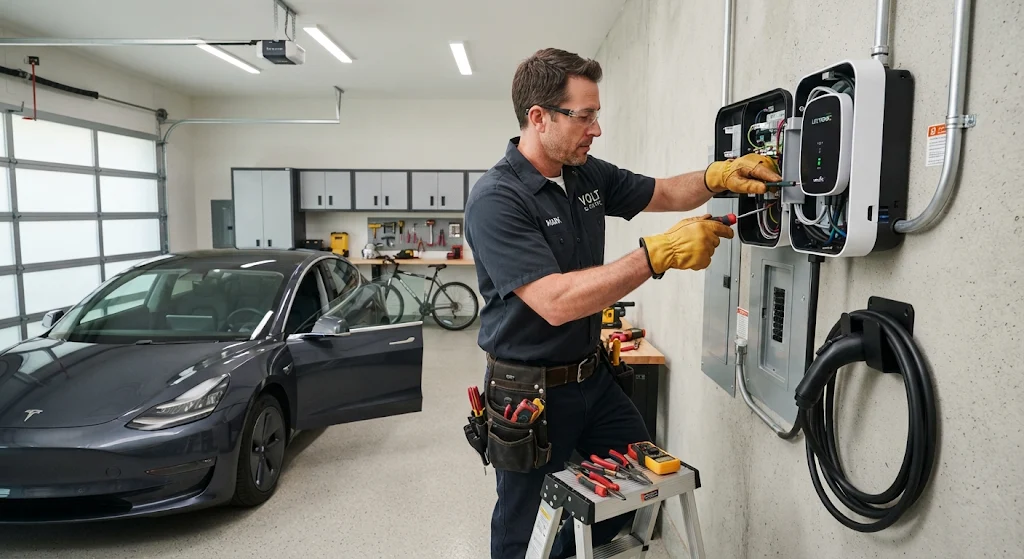
Understanding Solar & Battery Storage Electrical Work in Fresno
Solar & Battery Energy Storage System (BESS) Electrical Integration
California's clean energy revolution has transformed how properties generate and store electricity. Under California's Net Energy Metering (NEM 3.0) solar billing structure, exporting solar power to the grid yields significantly reduced credits, making on-site battery energy storage systems (BESS) essential for capturing solar value and providing emergency blackout resilience.
Integrating battery storage requires specialized electrical expertise. Independent contractors install critical loads subpanels, automatic microgrid interconnection devices (MID), smart energy management gateways, and heavy-gauge inverter circuits. Contractors ensure seamless electrical coordination between your solar array, storage batteries, main service panel, and the utility grid in full accordance with California Electrical Code Article 705 and 706.
A battery storage installation begins with critical load segregation. Dedicated branch circuits-such as refrigeration, kitchen outlets, home network routers, well pumps, and essential lighting-are relocated from the main service panel into a newly installed backup subpanel. This isolation ensures that during a grid power outage, the battery supplies uninterrupted electricity without wasting limited kilowatt-hour storage on non-essential heavy loads like electric hot water heaters or pool pumps.
Contractors also evaluate main electrical panel bus bar ratings against the National Electrical Code 120% rule. If the combined input from the utility main breaker and the solar/battery inverter exceeds 120% of the panel's rated bus bar ampacity, independent electricians can perform a supply-side interconnection (line-side tap) or execute a panel upgrade to ensure total electrical safety and complete utility interconnection approval.
Local Permitting & Code Compliance in Fresno
In Fresno, executing solar & battery storage requires careful alignment with municipal building codes enforced by the City of Fresno Planning & Development Department (Building Permit Center). Depending on project scope, an electrical permit and subsequent municipal field inspection ensure that wiring methods, breaker sizes, and conduit routing conform strictly to the California Electrical Code (Title 24, Part 3).
Utility coordination through Pacific Gas and Electric (PG&E) is essential whenever the work impacts service entrance conductors, meter bases, or system grounding electrodes. Independent electrical contractors in Fresno manage the administrative submittals, permitting filings, and utility disconnect/reconnect workflows on behalf of property owners.
Solar and battery electrical work must comply with NEC Article 705 (Interconnected Power Sources), Article 706 (Energy Storage Systems), and Title 24 Part 6 residential solar and storage readiness mandates.
Essential Planning & Safety Considerations Before Beginning Work
Prior to initiating solar & battery storage in Fresno, property owners should conduct a preliminary assessment of their existing electrical infrastructure. Verifying that the main service disconnect is readily accessible, identifying the age of existing branch wiring, and documenting any prior electrical modifications helps independent contractors evaluate project feasibility and prepare accurate estimates.
California law strictly requires that any contractor performing electrical work valued at or more in labor and materials hold an active C-10 Electrical Contractor License issued by the California Contractors State License Board (CSLB). Property owners should always verify that the independent contractor carries active commercial general liability insurance and statutory workers' compensation coverage before work commences.
Additionally, project agreements should clearly articulate the division of responsibilities regarding permit acquisition, utility service order fees, necessary drywall patching or trenching restoration, and final municipal inspection sign-offs. Clear written contracts eliminate misunderstandings and ensure your electrical installation delivers lasting safety and reliability.
Common Indicators You Need Professional Help
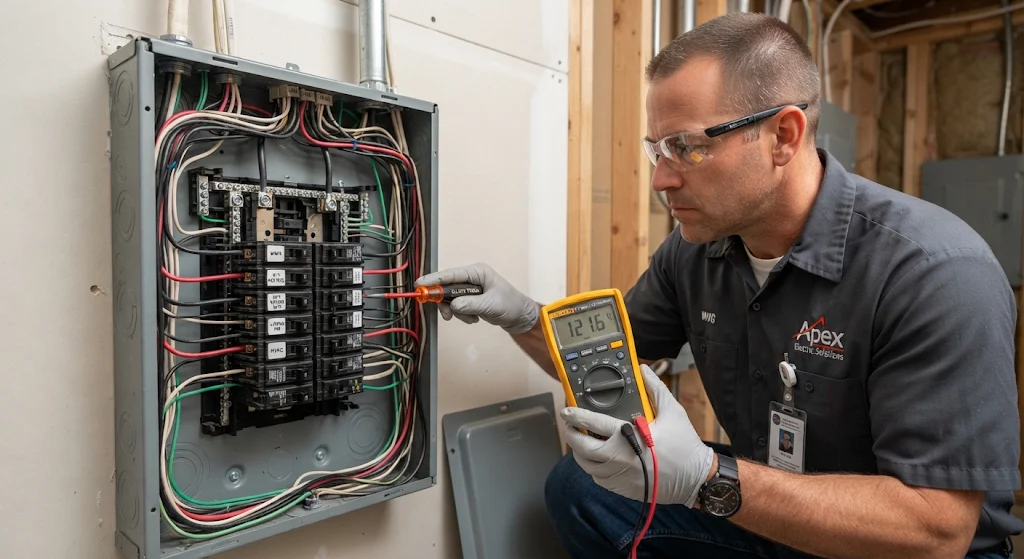
How WATT911 Referrals Work
We connect California residential and commercial property owners with independent local electrical contractors.
Tell Us What You Need
Submit your electrical service inquiry by phone or online. Describe your project scope, location, and timeline.
Inquiry Routing
WATT911 handles the inquiry according to its actual referral process; an appropriate participating contractor may be contacted where available.
Discuss the Project Directly
The independent contractor independently determines whether to accept the project, confirms scope, licensing, availability, pricing, and project terms.
* Note: Referral does not guarantee contractor availability, acceptance, or specific response times. Work is performed exclusively by independent contractors.
Other Approved Services in Fresno
Explore other licensed electrical specialties available through independent contractors in Fresno.
Lighting Installation
Explore Lighting Installation services in Fresno, CA.
View Lighting Installation →Generator Installation
Explore Generator Installation services in Fresno, CA.
View Generator Installation →Commercial Electrician
Explore Commercial Electrician services in Fresno, CA.
View Commercial Electrician →Industrial Electrician
Explore Industrial Electrician services in Fresno, CA.
View Industrial Electrician →Solar & Battery Storage FAQs
Helpful answers to common questions regarding solar & battery storage, permitting, and contractor hiring.
The 120% rule limits the total combined current from the main utility breaker and solar inverter breakers that can feed a panel bus bar to 120% of the bus bar's rated ampacity to prevent overheating.
Standard grid-tied solar systems automatically shut down during a power outage to prevent dangerous utility backfeeding. An energy storage battery with an approved isolation switch is required for blackout backup.
A critical loads subpanel isolates essential circuits-such as refrigeration, lighting, internet, and medical devices-so they remain powered by battery storage without depleting the battery on non-essential heavy loads.
Yes. Battery installations require electrical and building permits, city fire safety clearance, and formal Permission to Operate (PTO) from your electric utility.
No. WATT911 is an independent referral network connecting property owners with qualified independent licensed electrical contractors who perform the work.